
 comparison
Loudness Normalization vs Peak Limiting Explained
Table of Contents
- Loudness Normalization vs Peak Limiting: The Core Difference
- Peak vs RMS: Understanding Amplitude and Perceived Volume
- LUFS Target for Streaming: What Platforms Actually Enforce
- How to Use a Limiter for Mastering Without Killing Dynamics
- Mastering for Vinyl vs Digital: Format-Specific Loudness Rules
- When to Use Normalization and When to Use Limiting
- Frequently Asked Questions
Last Updated: September 16, 2026
Loudness Normalization vs Peak Limiting: The Core Difference
Loudness normalization and peak limiting are two different processes that solve two different problems: normalization adjusts a track's overall perceived volume to a target, while peak limiting catches the loudest transients so they never exceed a ceiling. This guide from LB-Mastering Studios breaks down exactly where each one belongs in a modern mastering chain.
Confusing the two is one of the most common mistakes we see in submitted mixes. A mix that measures loud enough on a meter can still sound quiet next to commercial releases, and a mix that looks safe on a waveform can still trigger a loudness penalty on streaming services.
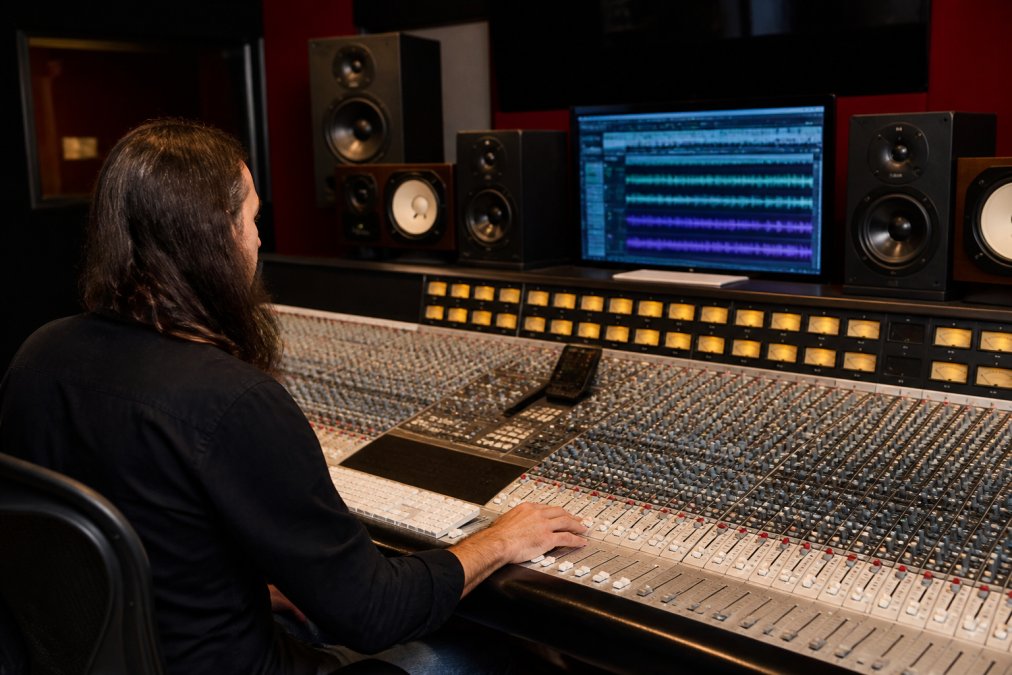
Here is the distinction that matters most: normalization is a measurement-driven volume adjustment, while limiting is a dynamic processing decision. They are not interchangeable, and neither one replaces the other.
How Normalization Algorithms Work
Loudness normalization is the process of measuring a track's average perceived level and applying a gain multiplier so it hits a defined target. A peak normalization algorithm does something simpler: it scans for the single loudest sample and raises the whole file until that sample sits just below the digital ceiling.
That difference explains why peak-normalized files often sound quieter than expected. One stray transient forces the entire track down. Loudness normalization instead reads integrated loudness across the whole song, so a single spike does not drag the rest of the mix with it.
How Limiters Shape Dynamics
A limiter is a fast-acting compressor with a high ratio, and a brickwall limiter exists purely to stop signal from crossing a set peak ceiling. It does not raise your average level; it lets you raise it yourself while the limiter holds the peaks in place.
The tradeoff is dynamic range. Push gain reduction too hard and transients flatten, kick drums lose punch, and the mix starts to sound fatiguing. A skilled engineer uses a limiter for control, not as a loudness button.
Peak vs RMS: Understanding Amplitude and Perceived Volume
Peak and RMS measure two different things, and conflating them is where most loudness confusion starts. Sample peak captures the highest instantaneous amplitude in a file. RMS averages amplitude over a window, which tracks closer to how loud something actually feels, but only approximately, because RMS treats every frequency as equally important to the ear.
That last point is the mechanism most guides skip. Human hearing is not flat. We are most sensitive in the 2-5 kHz range and far less sensitive below 100 Hz and above 10 kHz. A 60 Hz sine wave and a 3 kHz sine wave can share identical RMS values and sound dramatically different in level. RMS cannot see that difference; it just averages voltage.
True Peak goes one step further by estimating inter-sample peaks, the levels that can occur between samples once a file is converted to analog. This is why a track can read under 0 dBFS and still clip on playback through a DAC or after lossy codec conversion.
| Measurement | What It Captures | Weighting | Best Used For |
|---|---|---|---|
| Sample Peak | Highest single sample | None | Preventing digital clipping |
| True Peak | Estimated inter-sample level | None | Codec and DAC safety |
| RMS | Average amplitude over time | None | Rough perceived volume |
| LUFS | Loudness weighted for human hearing | K-weighting (high-shelf + high-pass) | Streaming and broadcast targets |
| LRA | Loudness range across the track | K-weighting | Gauging dynamic spread |
LUFS, or Loudness Units Full Scale, is the modern standard because it applies K-weighting, a high-shelf boost around 2 kHz plus a high-pass filter around 60 Hz, before averaging. That weighting approximates the equal-loudness contours, so the resulting number tracks perceived volume far more closely than RMS does. Integrated loudness measures the whole track with gating that ignores silence and very quiet passages; short-term (3-second) and momentary (400 ms) readings track loudness over shorter windows for real-time monitoring.
A practical consequence: two tracks can both read -1 dBFS true peak and still differ by 6 LU or more in integrated loudness. Peak meters tell you whether you are safe from clipping.
LUFS Target for Streaming: What Platforms Actually Enforce
A LUFS target for streaming is the loudness level a platform normalizes playback to, and it is the single most useful number to know before you export. If your master sits above the platform target, playback gets turned down; if it sits below, it gets turned up. The platform does this automatically, so the only thing your mastering decisions control is how much dynamic range survives that adjustment.
How to Use a Limiter for Mastering Without Killing Dynamics
Using a limiter well comes down to gain staging and restraint. The goal is to catch occasional peaks, not to do the heavy lifting on your overall level.
- Set your loudness target first, based on the destination platform.
- Leave headroom on the mix bus before the limiter, typically a few dB.
- Set the peak ceiling just below the digital ceiling to protect against inter-sample clipping.
- Apply limiting in small amounts and check gain reduction on the meter.
- Compare against the unlimited version at matched perceived volume.
- Verify true peak and integrated loudness before export.
Mastering for Vinyl vs Digital: Format-Specific Loudness Rules
Mastering for vinyl and mastering for digital follow different rules because the formats behave differently. Digital has a hard ceiling at 0 dBFS and no physical constraints. Vinyl has a physical groove, and loudness, low-frequency content, and stereo width all affect how that groove is cut.
When to Use Normalization and When to Use Limiting
Use loudness normalization when:
- Preparing a track for a streaming platform with a known LUFS target
- Matching levels across an album so tracks sit consistently
- Handling non-musical content like podcasts or broadcast audio
- Making a fair A/B comparison between two versions Maintaining these consistent levels relies on the fundamental principles of precision audio engineering, which ensure that the integrity of the signal remains intact regardless of the final output target.
Use peak limiting when:
- You need a hard ceiling to prevent clipping
- You want to raise average level while controlling transients
- You are protecting against inter-sample peaks for codec playback
- You need to tame occasional spikes without compressing the whole mix
Pros and cons of loudness normalization:
- Pros: consistent perceived volume, platform compliance, no dynamic damage
- Cons: does not control peaks, and requires accurate metering to be useful
Pros and cons of peak limiting:
- Pros: precise peak control, more usable level when applied gently
- Cons: overuse flattens dynamics and can trigger loudness penalties
At LB-Mastering Studios, our analog chain and format-specific approach mean your master is built for its destination, whether that is a streaming platform, a CD run, or a vinyl pressing. Our engineer's 44 years of experience and Latin GRAMMY Award-winning background inform every decision about how far to push loudness without sacrificing the dynamics that make a record breathe.
Frequently Asked Questions
What LUFS should I target for streaming services?
Most major streaming platforms normalize playback to around -14 LUFS integrated. Spotify, Apple Music, and YouTube all use similar targets, though each measures slightly differently. Master to -14 LUFS integrated with a True Peak ceiling of -1 dBTP, and your track will play back at a consistent perceived volume without triggering a loudness penalty. If you master louder, the platform turns it down anyway, which can flatten transients. Aim for the target rather than fighting it.
Does loudness normalization replace the need for a limiter?
No. These tools do different jobs. A limiter controls peak levels and shape dynamics during mastering, catching transients before they clip. Loudness normalization happens after your master is delivered, adjusting playback gain to a platform's target. You still need a limiter to set a safe digital ceiling and control peaks. Normalization cannot fix a mix with clipping or excessive dynamic range. Both stages matter for a release that translates well across streaming, CD, and vinyl.
Does loudness normalization affect sound quality?
Normalization itself is transparent when applied to a well-mastered file. The quality issues come from what happens before it. If you push a limiter hard to hit a loud master, you reduce dynamic range and risk inter-sample peaks. The platform then turns that loud master down, and you are left with a squashed track at average volume. Mastering to the platform's LUFS target with headroom preserved avoids this. The normalization step is not the problem; the over-limiting that precedes it is.
What is the difference between peak normalization and loudness normalization?
Peak normalization raises the entire file's gain until the loudest sample hits a chosen ceiling, often 0 dBFS or -1 dBFS. It ignores perceived volume. Loudness normalization measures integrated loudness in LUFS and adjusts gain to hit a target, which better matches how listeners hear the track. A quiet, dynamic mix and a loud, compressed mix can both peak at -1 dBFS but sound very different. Loudness normalization accounts for that; peak normalization does not.