 comparison
Human Mastering vs Automated: Which Delivers Better Results
Table of Contents
- The Core Difference: Automated Mastering vs Human Engineers
- Analog vs Digital Mastering: Understanding the Signal Chain
- Limitations of AI Mastering Services
- What Human Mastering Engineers Bring to Your Mix
- Cost, Speed, and Format Flexibility
- How to Choose a Mastering Studio That Fits Your Goals
- Conclusion: Making Your Decision
- Frequently Asked Questions
The Core Difference: Automated Mastering vs Human Engineers
Automated mastering services process your mix through algorithmic systems that analyze frequency balance, dynamic range, and loudness normalization in minutes. Human mastering engineers listen critically to your track, make subjective creative decisions, and use premium analog outboard gear to shape the sonic character of your work. The fundamental distinction isn't speed versus quality, it's the presence of artistic interpretation versus data-driven processing.
When you send a track to an AI mastering service, the algorithm applies a standardized signal chain based on what it detects in your audio. It identifies peaks, measures LUFS, applies limiting, and delivers a processed file. When you work with a mastering engineer at a studio like LB-Mastering Studios, you're engaging someone who understands how your mix will translate across different playback systems, who can hear what's missing, and who can make creative choices that enhance your artistic vision rather than simply normalize your levels.
The choice between human mastering vs automated services hinges on what you value: turnaround speed and cost efficiency, or sonic character and personalized attention. Most independent artists discover that this isn't actually a binary decision, context determines which approach makes sense for a given project.
Analog vs Digital Mastering: Understanding the Signal Chain
The mastering chain describes the sequence of processors applied to your stereo mix. Digital mastering chains run entirely within a DAW using plugins. Analog mastering chains route your audio through physical outboard gear, compressors, EQs, limiters, and other processors, before converting back to digital for delivery.
Analog gear introduces harmonic distortion and transient response characteristics that many engineers argue add musicality and warmth to a mix. A mastering engineer working with analog equipment makes real-time adjustments by hand, listening through high-end reference monitors in an acoustically treated room. Digital mastering offers precision, recall, and the ability to process multiple formats simultaneously, but it relies entirely on plugin algorithms and the engineer's ear trained on those specific tools.
The practical difference comes down to how the final master translates. A mix mastered through a premium analog chain, using equipment like vintage compressors and transformers, often exhibits greater depth and perceived loudness without aggressive peak limiting (aes.org). A digitally mastered track processed through modern plugins can achieve technical loudness standards (meeting streaming platform LUFS requirements) but may lack the harmonic richness some artists pursue (spotify.com).
Human mastering engineers typically combine both: they may use analog gear for coloration and musicality, then print to digital for final loudness optimization and metadata encoding. This hybrid approach captures the benefits of both worlds. Automated services operate exclusively in the digital domain, applying preset processing chains based on algorithmic analysis.
Limitations of AI Mastering Services
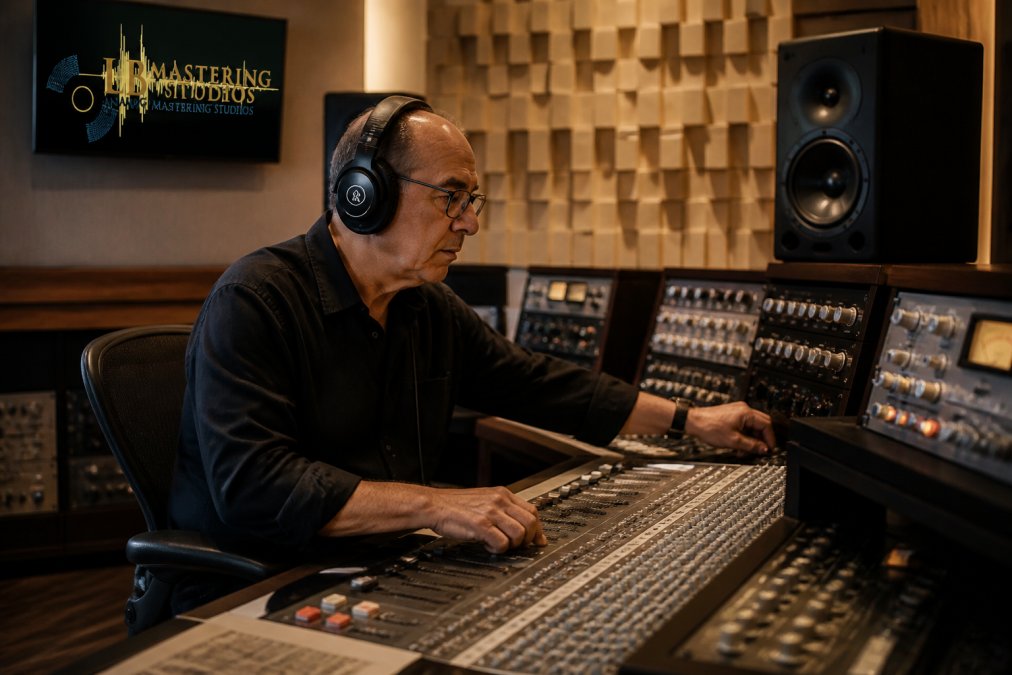
Automated mastering cannot hear what a human ear trained over decades can detect. An algorithm analyzes frequency content and peak levels; it does not understand artistic intent, genre conventions, or the emotional impact of a particular sonic choice. This is the core limitation: AI mastering services optimize for technical targets, not creative vision.
A common mistake is assuming that because automated mastering delivers results in minutes, the results must be inferior. That's not quite right. Automated services excel at achieving consistent, technically competent masters within defined parameters. The limitation is narrower: they cannot make subjective creative decisions, provide feedback on your mix, or adapt to unusual mixing choices.
Consider what happens when your mix contains intentional unconventional elements, a heavily compressed vocal that sits slightly hot, a bass tone that's darker than industry standard, or a snare that's deliberately thin. An AI mastering system detects these as deviations from its training data and "corrections" them toward the mean (peer-reviewed research). A human mastering engineer hears them as stylistic choices and either preserves them or discusses with you why a subtle adjustment might serve the song.
Another limitation: automated mastering provides no mix feedback. You upload a stereo file and receive a master. If something in your mix is problematic, excessive sibilance, phase issues, or imbalanced elements, you won't know until you hear the master. A human engineer often identifies these issues during the mastering session and can recommend a remix before proceeding, saving you time and money on revisions.
Turnaround time is genuinely fast with automated services, but this speed comes with a trade-off in personalization. The mastering chain applied to your track is based on algorithmic analysis of your audio file alone. It doesn't account for your genre, your artistic preferences, or how your music sits within a broader artistic statement. For artists who need quick, affordable masters for demos or social media content, this limitation barely matters. For commercial releases destined for streaming platforms and physical formats, it becomes significant.
What Human Mastering Engineers Bring to Your Mix
A mastering engineer brings trained ears, professional experience, and decision-making authority that no algorithm can replicate. After decades of listening to thousands of mixes across genres, a skilled engineer develops an intuitive sense for how a track will translate to different playback systems, car speakers, earbuds, club sound systems, and streaming algorithms.
The human mastering engineer's primary role is translation. Your mix was created in your specific acoustic environment, on your specific speakers, with your specific mixing habits baked in. What sounds balanced in your room may translate poorly on other systems. A mastering engineer in an acoustically treated studio with high-end reference monitors can identify these translation issues and make corrections that ensure your mix sounds professional everywhere.
Beyond technical translation, a mastering engineer provides creative guidance. They hear your mix fresh, without the fatigue that comes from hours spent mixing. They can identify moments where the arrangement could benefit from slightly more presence, where a particular frequency range is competing with the vocal, or where the overall dynamic range could be tightened for better streaming platform compatibility. These are subjective creative decisions informed by experience and taste.
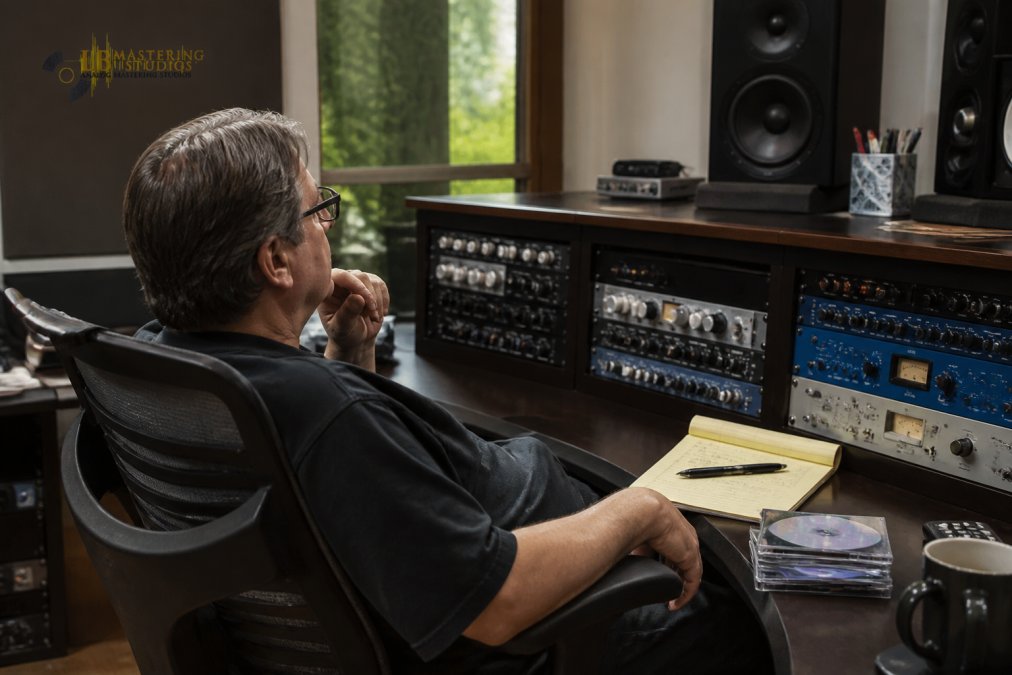
A human engineer also handles the practical details that automated services cannot. They manage stem mastering (mastering individual elements of your mix for flexibility in post-production), optimize specifically for vinyl if you're releasing physical copies, and ensure all metadata is correctly embedded for streaming distribution. They understand the technical requirements of different formats and delivery platforms, and they can adapt the mastering approach accordingly.
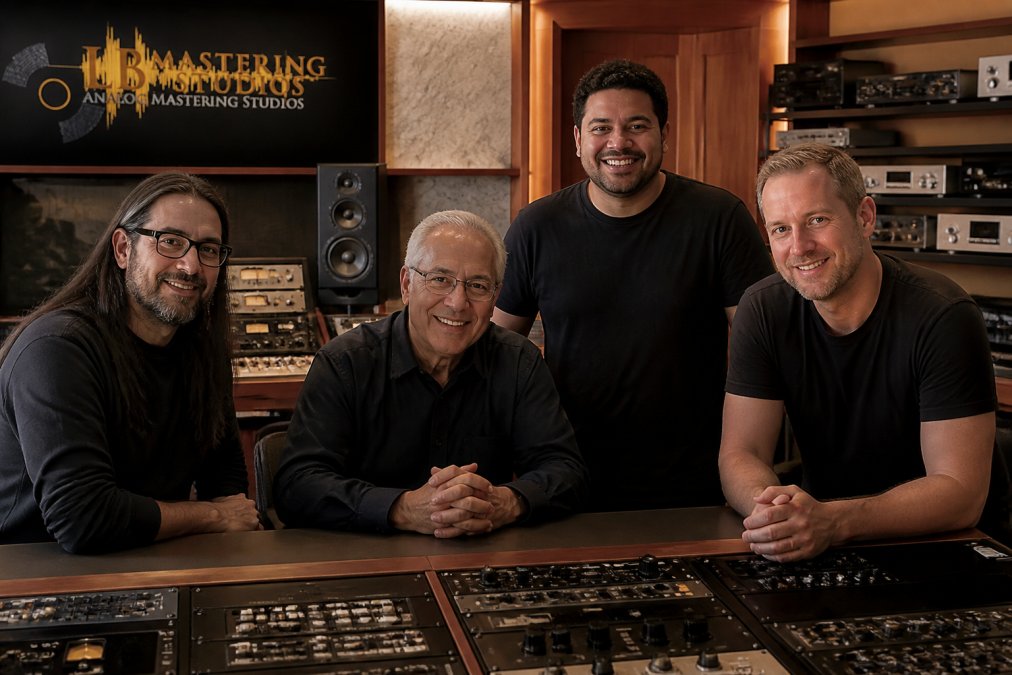
At LB-Mastering Studios, the mastering engineer brings 44+ years of professional experience and a track record of Latin GRAMMY and 11x Billboard charting work. This isn't just technical competence, it's a deep understanding of what makes a mix work commercially and artistically across genres and formats. The engineer listens to your mix in context, understands your goals, and makes decisions designed to serve your music rather than optimize for a predetermined standard.
Cost, Speed, and Format Flexibility
Automated mastering services cost significantly less than human mastering. A single track mastered through an AI platform typically runs between a few dollars and around $15 per track, with subscription options for unlimited masters. This affordability is the primary draw for independent artists working on tight budgets or needing to master large volumes of content quickly.
Human mastering is more expensive because you're paying for expertise, time, and access to premium equipment. However, this cost difference reflects real differences in what you receive. A human mastering engineer spends time per track listening critically, making adjustments, and often providing feedback. The price covers their experience, their equipment, and their creative input.
Turnaround time differs dramatically. Automated mastering delivers a finished master in minutes. Human mastering typically takes 5-7 business days, though expedited options exist. For artists on a release schedule, this matters. For those planning ahead, it's less of a constraint.
Format flexibility is where human engineers create distinct value. If you're releasing on streaming platforms, CD, and vinyl simultaneously, each format has different technical requirements. Vinyl mastering requires different EQ and compression decisions than streaming optimization. Stem mastering, delivering individual stems (vocals, drums, instruments) instead of a stereo mix, gives post-production professionals flexibility for film, advertising, or remix work. Human engineers routinely handle these specialized formats. Automated services typically deliver a single stereo master optimized for streaming loudness standards.
The practical question becomes: what's the real cost of choosing automated mastering if it means paying later for a remix and re-master because the results don't translate well? For professional releases, the initial savings often prove illusory. For demos, social content, and quick turnarounds, automated mastering's speed and cost-effectiveness are genuinely valuable.
How to Choose a Mastering Studio That Fits Your Goals
Start by clarifying what you need from mastering. Are you releasing a single for streaming, an album across multiple formats, or content for a specific use case like film or advertising? Your answer determines which approach makes sense.
If you're mastering a demo or social content on a tight deadline and budget, automated mastering delivers acceptable results quickly. If you're releasing commercially, especially if you want vinyl copies or stem masters for post-production, human mastering becomes the more practical choice despite higher cost.
When evaluating a mastering studio, listen to their portfolio. Ask for examples of work in your genre. A studio that specializes in electronic music may approach a folk album differently than one with deep experience in that genre. Request a free sample master (many studios, including LB-Mastering Studios, offer this) so you can hear how they approach your specific mix before committing to a full project.
Understand the studio's equipment and approach. Do they use analog outboard gear, or are they purely digital? What's their monitoring setup? Can they handle your specific format needs, vinyl, stem mastering, surround sound? These details matter because they determine what's technically possible in the final master.
Ask about the revision process. How many revision rounds are included? What happens if you want significant changes after hearing the initial master? A transparent revision policy prevents surprises and frustration.
Consider the engineer's experience and background. An engineer with decades of professional work, especially in your genre or with your target audience, brings perspective that newer engineers cannot match. At LB-Mastering Studios, you're working with an engineer whose credits include Latin GRAMMY recognition and 11x Billboard charting work, a track record that speaks to both technical competence and commercial success.
Finally, trust your instinct about communication. A good mastering engineer explains their decisions, listens to your preferences, and collaborates toward a shared vision. If an initial consultation feels dismissive or overly rigid, it's a signal to look elsewhere.
| Factor | Automated Service | Human Mastering |
|---|---|---|
| Turnaround Time | Minutes | 5-7 days |
| Cost Per Track | $5-15 | Varies; consult studio |
| Format Support | Streaming-optimized | CD, vinyl, stems, surround |
| Revision Process | Limited or none | Typically 1-2 rounds included |
| Creative Input | Algorithm-based | Personalized, experience-driven |
| Mix Feedback | None | Often included |
| Best For | Demos, quick turnarounds | Commercial releases, specific formats |
Conclusion: Making Your Decision
The choice between human mastering vs automated services ultimately depends on your release strategy, budget, and timeline. Automated mastering works well for demos, rapid content production, and artists who prioritize speed and cost over sonic refinement. Human mastering delivers the personalized attention, creative input, and format flexibility that commercial releases demand.
For independent musicians and artists serious about professional distribution, human mastering provides measurable advantages. You receive personalized feedback on your mix, creative decisions informed by decades of professional experience, and the ability to master for multiple formats simultaneously. The investment pays dividends when your music reaches listeners across streaming platforms, physical media, and specialized applications.
At LB-Mastering Studios, we provide world-class analog mastering with over 44 years of professional experience. Our Latin GRAMMY Award-winning engineer brings commercial success and technical expertise to every project, offering customized mastering for CD, stem, and vinyl formats with access to premium analog outboard gear. Whether you're releasing your first single or finalizing an album, we deliver the professional-grade audio quality your music deserves for worldwide distribution. Book a Session and receive a free sample master to hear the difference human mastering makes.
Frequently Asked Questions
Q: Can automated mastering services really replicate what a human mastering engineer does?
A: Automated mastering applies algorithmic processing based on loudness normalization and frequency balance analysis, but it cannot interpret creative vision or emotional context. AI systems analyze data patterns and apply a generic signal chain, while human mastering engineers make subjective listening decisions that account for mix translation, genre conventions, and the artist's intent. Automated services excel at consistency and speed, but they lack the nuanced judgment that defines professional-grade mastering.
Q: What are the main limitations of AI mastering?
A: AI mastering struggles with genre-specific nuance, cannot provide mix feedback or direction, and may create audio artifacts when processing complex mixes. Automated services cannot adapt to the sonic character of your particular mix or adjust for streaming platform requirements versus vinyl mastering needs. They also cannot communicate with you about your artistic vision or make creative decisions based on reference tracks and mix intent.
Q: How do I know if I should invest in human mastering instead of using an automated service?
A: Choose human mastering if you're releasing commercially, need vinyl mastering, want stem mastering for additional control, or have invested significant time in mixing and want expert polish. If you're testing demos, creating content quickly on a tight budget, or need multiple quick iterations, automated mastering can work. Consider your release format, timeline, and whether mix translation across playback systems matters to your audience.
Q: What's the difference between analog and digital mastering equipment?
A: Analog mastering uses outboard gear like compressors, EQs, and limiters that process audio through physical circuits, adding harmonic distortion and transient response characteristics that many engineers favor for sonic warmth. Digital mastering relies on plugins and software processing. Many professional studios blend both approaches, using analog gear in the mastering chain for final polish while maintaining the precision of digital workflow. The choice depends on your target format and desired sonic signature.
This article was written using GrandRanker