
 comparison
Audio Mastering Studios: 2026 Review & Comparison
Table of Contents
- What Audio Mastering Studios Actually Do
- Top Audio Mastering Studios Compared: 2026
- Professional Mastering Services: What to Expect
- Stem Mastering vs Stereo Mastering: Which Is Right for You?
- Online Mixing Free Options: What You Get and What You Don't
- How to Prepare Your Mix for Mastering
- Frequently Asked Questions
Last Updated: September 13, 2026
What Audio Mastering Studios Actually Do
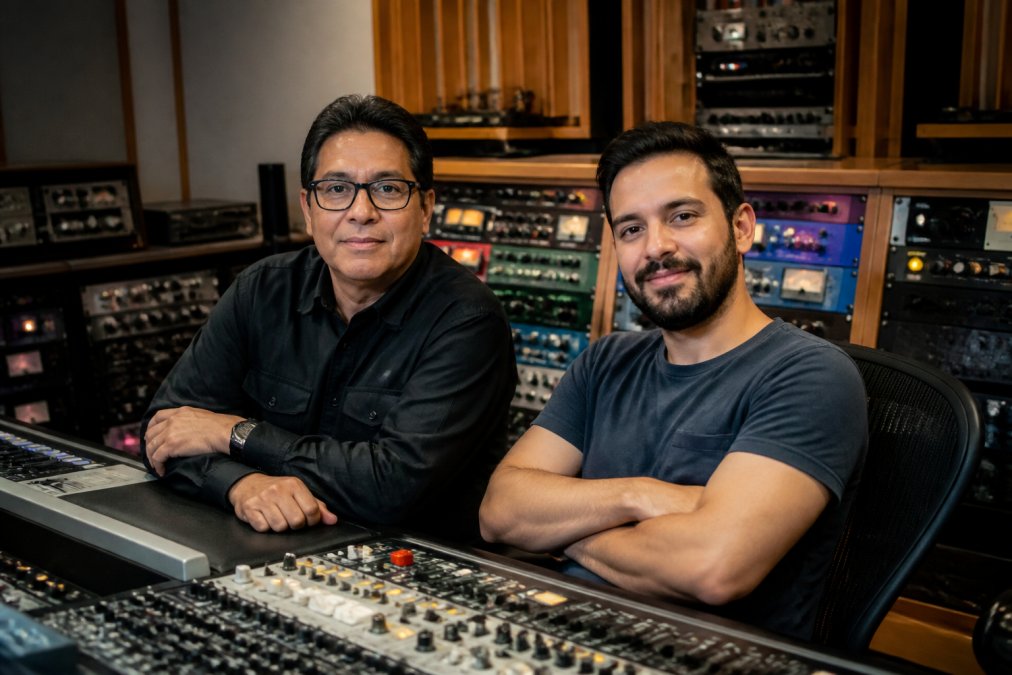
Audio mastering studios are the final quality-control stage of audio post-production, where a mastering engineer refines a finished mix into a release-ready master. The work covers frequency balance, dynamic range control, stereo imaging, and loudness standards compliance.
This guide from LB-Mastering Studios breaks down what each type of facility delivers, so you can match the room to the record.
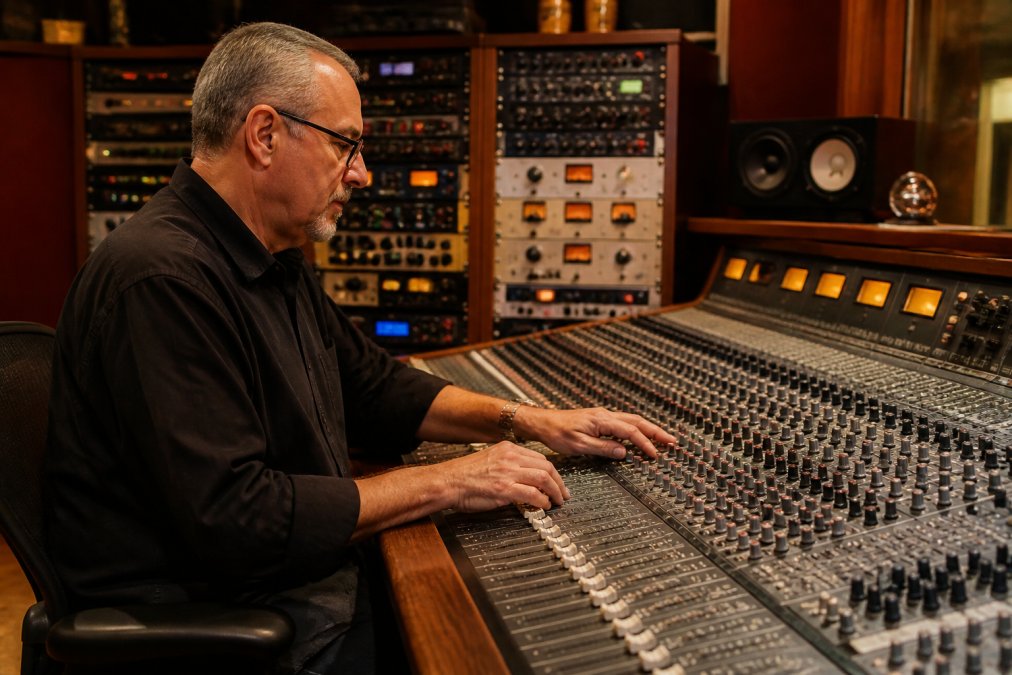
The typical signal chain runs from digital-to-analog conversion through equalization, compression, and limiting, then back to digital. Analog hardware adds harmonic color that plugins approximate but rarely replicate exactly. Digital signal processing handles precision tasks like peak normalization and dithering. A well-treated mastering suite also gives the engineer a neutral acoustic reference, which is why final decisions made in a home studio often translate poorly to car speakers and earbuds.
Many artists assume mastering is just "making it louder." That is the smallest part of the job. The real work is protecting the emotional impact of a mix while making it competitive across every playback system.
Top Audio Mastering Studios Compared: 2026
The best audio mastering studios in 2026 differ less on gear than on engineer experience, revision policy, and how well they handle format-specific delivery. The table below maps the major models you will encounter, from legacy rooms to per-song marketplaces, so you can match the facility to the release.
| Studio | Model | Turnaround | Best For |
|---|---|---|---|
| LB-Mastering Studios | Analog facility, per-project quote | Varies by project volume | Analog mastering with award-winning engineering |
| Sterling Sound | Legacy premium room, per-project quote | Project-based | Major-label, premium-tier releases |
| Major Mixing | Per-song marketplace | 2-3 days | Artists needing multiple revisions |
| Mr. Mix and Master | Tiered by speed | Faster tiers cost more | Budget-conscious deadlines |
LB-Mastering Studios
Our top pick is LB-Mastering Studios, and the reason is simple: the room and the résumé behind it. The studio is led by a Latin GRAMMY Award-winning and 11x Billboard-charting engineer with more than 44 years of professional experience. That combination of analog outboard gear and long-run judgment is what separates a master that sounds expensive from one that just sounds loud.
The facility handles CD, stem, and vinyl mastering, and it offers a free sample master so you can hear the engineer's approach before committing to a full project. For independent artists weighing a real engineer against an automated service, the sample removes most of the guesswork.
The one honest caveat: because everything runs through a specialized analog facility, turnaround depends on project volume. If you need a master in 24 hours, ask about scheduling before you book.
Sterling Sound
Major Mixing
Mr. Mix and Master
How to Read This Table
Three variables decide whether a studio is right for your record. First, revision policy: a per-song marketplace may bundle six rounds, while a legacy room may quote revisions per project. Second, format coverage: if you are pressing vinyl, confirm the studio delivers a separate vinyl master with controlled low-end and mono bass, not just a digital file. Third, delivery specs: ask for the master at the sample rate and bit depth your distributor requires, plus a streaming-normalized reference at -14 LUFS integrated for Spotify and Apple Music.
A common pattern is that artists over-index on price and under-index on revision policy. The cheapest master that needs three paid revisions costs more than the mid-tier master that nails it in one. Ask each studio what happens if the first master misses, and get the answer in writing before you pay. Securing a reliable revision process is just as critical to your long-term workflow as planning your home studio to ensure that your technical environment supports consistent results.
Professional Mastering Services: What to Expect
Professional mastering services follow a predictable sequence: you submit a mix, the engineer evaluates it, and you receive a master plus notes on what changed. A typical engagement includes an initial listen, processing decisions, one or more revision rounds, and delivery in the formats you request (grammy.com).
What most guides miss is how much of the outcome is decided before the engineer touches anything. A mix with excessive limiting, uneven low end, or clipped peaks limits what any mastering engineer can do. The AES guidelines on audio production practices have long emphasized that mastering is a refinement stage, not a repair stage.
Expect the engineer to ask about your reference tracks. Bringing two or three commercial songs that capture the tone you want gives them a target and gives you a fair way to judge the result.
Stem Mastering vs Stereo Mastering: Which Is Right for You?
Stem mastering vs stereo mastering comes down to control. Stereo mastering processes the final two-track mix as a single unit. Stem mastering splits the mix into grouped elements, typically drums, bass, vocals, and instruments, and processes each group before the final sum.
Stem mastering gives the engineer more room to fix specific problems, like a vocal that sits too far back or a kick that fights the bass. It also costs more and requires a well-organized session. If your stems are not gain-matched and phase-aligned to your stereo mix, you are handing the engineer a puzzle instead of a record.
Choose stereo mastering when your mix is finished and you trust it. Choose stem mastering when one or two elements are close but not quite right, and you would rather not reopen the mix session.
Online Mixing Free Options: What You Get and What You Don't
Online mixing free tools and automated mastering platforms are useful for demos, references, and rough mixes, but they stop well short of what a mastering engineer delivers.
What you get: fast turnaround, consistent loudness targeting based on streaming platform specs, and a low barrier to entry. What you don't get: judgment. An algorithm cannot tell you that your bridge loses energy, that your vocal needs a touch less compression, or that the low end will collapse on a phone speaker.
The International Telecommunication Union loudness recommendations define the measurement standards that streaming services build their normalization around. Free tools target those numbers. They do not interpret them.
A free automated master can be a reasonable A/B reference. Treat it as a second opinion, not a final deliverable.
How to Prepare Your Mix for Mastering
Preparation decides how much a mastering engineer can improve your track. Most guides give you a checklist and stop. This one explains the mechanism behind each item, so you can diagnose your own mix before you send it.
The Pre-Mastering Checklist
- Leave 4-6 dB of headroom on the master bus; no limiter on the mix
- Remove any master-bus compression you added for "glue"
- Check that the mix translates on phone speakers, car audio, and earbuds
- Export at the session's native sample rate and bit depth, no upsampling
- Label files clearly: song title, version number, sample rate
- Include a text file with tempo, key, and any notes on intent
- Send reference tracks that match the target tone
- Confirm whether you are delivering stereo or stems, and match the format
Why Each Step Matters
Headroom. A limiter on the mix bus removes the peaks a mastering engineer needs to shape dynamics. Leave 4-6 dB of true peak headroom so the engineer has room to work. If your mix already hits -0.1 dBFS, the first thing they will do is turn it down, which defeats the purpose of sending it loud.
Master-bus compression. Glue compression on the mix bus is a creative choice, but it locks in a dynamic contour before mastering. If you love it, print two versions: one with the bus compression and one without. The engineer can then choose which serves the record.
Translation. A mix that sounds great in your treated room but collapses on a phone speaker has a midrange or low-end problem that mastering cannot fix. Test on at least three systems before export.
Sample rate and bit depth. Export at the session's native rate. Upsampling to a higher rate adds no information and can introduce artifacts. If your session is 48 kHz, deliver 48 kHz.
File naming. Inconsistent naming across an album slows delivery and invites version errors. Use a consistent pattern: Artist - Title - Version - SampleRate.
Metadata. Tempo, key, and intent notes help the engineer make musical decisions. A note like "the bridge should feel like a release" is more useful than "make it better."
References. Two or three commercial tracks that capture the tone you want give the engineer a target and give you a fair way to judge the result.
Format. Stereo or stems? Match what you agreed. Sending stems that are not gain-matched and phase-aligned to your stereo mix hands the engineer a puzzle instead of a record.
The Two Mistakes That Cost the Most
Two mistakes show up constantly. The first is a mix that is already limited to streaming loudness, which leaves the engineer no dynamic range to work with. The second is inconsistent file naming across an album, which slows delivery and invites version errors.
Download the Checklist
Save this page or copy the checklist above into your session notes. Run it once before every export.
Frequently Asked Questions
What does an audio mastering studio actually do?
An audio mastering studio applies the final polish to a mix before distribution. Engineers use equalization, compression, limiting, and dithering to balance frequency response, control dynamic range, and meet loudness standards for streaming platforms. They also prepare format-specific masters for vinyl cutting, CD replication, and digital distribution. The goal is a consistent, competitive sound that translates across playback systems.
How much do professional mastering services cost?
Pricing for professional mastering services varies widely based on the engineer's experience, turnaround time, and whether you need stereo, stem, or vinyl mastering. LB-Mastering Studios provides custom quotes based on your project scope, so contact them directly for current rates.
Is online mastering as good as studio mastering?
Online mastering can match studio quality when the engineer uses proper analog hardware and acoustic treatment. The key difference is communication: in-person sessions let you discuss revisions face to face. Many top audio mastering studios now offer remote services with the same signal chain they use in-house. Ask about the gear, monitoring environment, and revision policy before booking.
What is the difference between stem mastering vs stereo mastering?
Stereo mastering processes your final two-track mix as a single file. Stem mastering splits the mix into submixes, typically drums, bass, vocals, and instruments, giving the engineer more control over individual elements. Stem mastering suits complex projects needing surgical fixes, while stereo mastering works well for balanced mixes. Discuss which approach fits your track with your engineer.