
 ultimate-guide
Professional Audio Quality for Film Post-Production
Table of Contents
- Why Film Post-Production Demands More Than a Standard Master
- Loudness Normalization for Film: LUFS, True Peak, and Dynamic Range
- Film Post-Production Audio Standards You Need to Know
- Preparing Your Mix for Professional Mastering
- AI Mastering vs. a Human Engineer: A Cost-Benefit Analysis
- Metadata, Delivery Formats, and Worldwide Distribution
- How LB-Mastering Studios Delivers Professional-Grade Audio for Film
- Frequently Asked Questions
Last Updated: September 19, 2026
Why Film Post-Production Demands More Than a Standard Master
A film's final mix faces a harder job than any single song: it has to survive theatrical playback, streaming compression, and a viewer's phone speaker without losing dialogue clarity or emotional impact. That is why professional-grade audio quality for worldwide distribution for film post-production is a distinct discipline, not a louder version of music mastering. At LB-Mastering Studios, we treat film finishing as its own craft, separate from album work.
The Difference Between Music Mastering and Film Audio Finishing
Music mastering optimizes a stereo track for streaming and radio. Film audio finishing optimizes a mix for picture, dialogue intelligibility, and a defined loudness target that varies by destination. The two share tools, but the priorities differ. In film post-production, dialogue sits at the center of the mix, and every other element is balanced around it.
Loudness Normalization for Film: LUFS, True Peak, and Dynamic Range
Loudness normalization for film is the process of setting a mix to a target loudness measured in LUFS while keeping true peak levels below clipping. Streaming platforms apply their own normalization, so a mix that is too hot gets turned down, and one that is too quiet gets turned up, both of which can change how the dynamics read.
The Numbers That Matter
LUFS (Loudness Units Full Scale) measures perceived loudness over time, not peak level. True peak catches inter-sample peaks that a sample meter misses. Dynamic range preserves the contrast between quiet dialogue and loud effects. Those definitions are table stakes. The actionable layer is the target itself.
- Theatrical features: Most theatrical mixes are calibrated to a fixed reference loudness in the low-to-mid 80s LUFS range, with dialogue anchored around a calibrated monitoring level. The exact figure depends on the room and the mix stage's calibration.
- Streaming delivery: Major streaming platforms normalize playback to their own reference loudness, commonly in the -14 to -16 LUFS integrated range. A film master delivered above that reference will be turned down; one delivered below it will be turned up, and the quiet passages may lose their intended tension.
- Broadcast: Broadcasters enforce defined loudness targets with strict true-peak limits, and a master that passes theatrical specs will often fail broadcast delivery without adjustment.
- True peak ceiling: A common working ceiling is -1 dBTP or lower for streaming and broadcast deliverables, leaving headroom for lossy codec conversion.
What Actually Happens at Playback
Streaming platforms normalize playback to their own reference loudness, so the delivered master should sit near that reference rather than above it. This is why a film delivered for streaming often reads quieter on a meter than the same film delivered for a loud theatrical trailer. The platform, not the mixer, decides final playback gain.
Measuring It Correctly
Integrated LUFS is measured across the full program, not a short window. Short-term and momentary LUFS readings help during the mix, but the deliverable is judged on the integrated figure. True peak is measured with an oversampled meter, not a standard sample-peak meter. A master that reads -0.1 dBFS on a sample meter can still clip after lossy encoding; an oversampled true-peak meter catches that before delivery.
A Practical Target Workflow
- Confirm the destination's published loudness reference before you print.
- Measure integrated LUFS across the full program, not a representative scene.
- Check true peak with an oversampled meter and leave at least 1 dB of ceiling.
- Compare dynamic range against a reference film in the same genre.
- Build a separate master for each destination rather than forcing one file to serve all of them.
A common mistake is mastering film audio to the same loudness as a pop single. That flattens the dynamic range a score depends on. The better habit is to treat loudness as a delivery decision, not a creative one.
Film Post-Production Audio Standards You Need to Know
Film post-production audio standards define the loudness, peak, and channel requirements a deliverable must meet before it ships. Theatrical delivery and streaming delivery follow different specifications, and a single master rarely satisfies both without adjustment.
| Destination | Loudness Approach | Peak Priority | Channel Format | Typical Deliverable |
|---|---|---|---|---|
| Theatrical | Fixed reference loudness | True peak headroom | 5.1 or 7.1 surround | Print master |
| Streaming | Platform normalization | True peak ceiling | Stereo and surround stems | Normalized master |
| Broadcast | Defined loudness target | Strict peak limit | Stereo or surround | Compliant master |
| Physical media | Wide dynamic range | Generous headroom | Surround | Authoring master |
Theatrical vs. Streaming Delivery Specifications
Theatrical delivery expects a print master built for a calibrated room, with headroom reserved for the loudest effects. Streaming delivery expects a master that already sits near the platform's normalization reference. A finishing engineer prepares both from the same approved mix, adjusting loudness and peaks rather than re-mixing.
Preparing Your Mix for Professional Mastering
A clean mix makes the finishing stage faster and cheaper. Before you send anything to a mastering engineer, confirm the following:
- Dialogue is consistent in level across scenes
- No track is clipping before the master bus
- Headroom is left on the master (avoid printing hot)
- Stems are labeled and time-aligned to picture
- Sample rate and bit depth match the delivery spec
- Reference tracks from the same genre are noted
AI Mastering vs. a Human Engineer: A Cost-Benefit Analysis
Automated mastering is fast and inexpensive, and for a rough demo it can be enough. The trade-off appears when a project needs judgment: dialogue that must stay intelligible over a swelling score, or a dynamic arc that a fixed algorithm will smooth away. A human engineer listens for intent, not just level.
The cost-benefit picture:
- AI mastering: low cost, fast turnaround, consistent output, limited context awareness
- Human engineer: higher cost, revision rounds, contextual decisions, format-specific delivery
Metadata, Delivery Formats, and Worldwide Distribution
Metadata travels with the file and tells the platform how to treat it. Missing or wrong metadata causes normalization errors, mislabeled tracks, and delivery rejections. Delivery formats matter just as much: a stereo master, surround stems, and a vinyl or physical master are different products built from the same approved mix.
Sample Rate and Bit Depth by Destination
- Theatrical print master: 48 kHz or 96 kHz, 24-bit, with surround channel mapping that matches the delivery spec.
- Streaming master: 48 kHz, 24-bit is the common working standard; platforms accept 44.1 kHz but 48 kHz aligns with picture and avoids sample-rate conversion artifacts.
- Broadcast: 48 kHz, 24-bit with strict true-peak compliance and defined channel assignments.
- Physical media authoring: 48 kHz or 96 kHz, 24-bit, with headroom reserved for the authoring stage.
Bit depth is not a loudness decision. It is a noise-floor and headroom decision. Delivering a 16-bit master when the spec calls for 24-bit throws away dynamic range the mix already has.
Metadata That Prevents Rejection
Metadata is not decorative. It is the instruction set the platform uses to route, normalize, and display your file. The fields that cause the most delivery failures:
- Integrated loudness and true-peak values: Declared in the delivery manifest so the platform can verify compliance.
- Channel configuration: Stereo, 5.1, or 7.1 must match the file's actual channel layout, not the label on the folder.
- Timecode and sync reference: Essential for picture-locked delivery; a mismatch causes sync drift on playback.
- Stem naming and versioning: Consistent, human-readable names prevent the wrong stem from being used in a remix or localization pass.
- ISRC and rights metadata: Required for tracking and royalty routing on commercial releases.
Stems, Mixes, and Masters Are Different Products
A stereo master, a surround master, and a set of stems are not interchangeable files. Stems are the building blocks a re-recording mixer or localization team uses to rebuild the mix in another language or format. A master is the finished deliverable. Confusing the two causes re-deliveries and missed deadlines.
A Delivery Checklist
- Sample rate and bit depth match the destination spec
- Integrated LUFS and true peak are measured and declared
- Channel configuration matches the file layout
- Timecode and sync reference are embedded and verified
- Stems are labeled, time-aligned, and versioned
- ISRC and rights metadata are present where required
- A reference playback check is done on the target platform
Worldwide Distribution Without Re-Deliveries
Worldwide distribution is not one delivery. It is a set of deliveries, each with its own loudness reference, channel format, and metadata requirements. The projects that ship cleanly are the ones that treat delivery as a checklist, not an afterthought. Build the master for the destination, declare the numbers, and verify the file before it leaves the studio.
How LB-Mastering Studios Delivers Professional-Grade Audio for Film
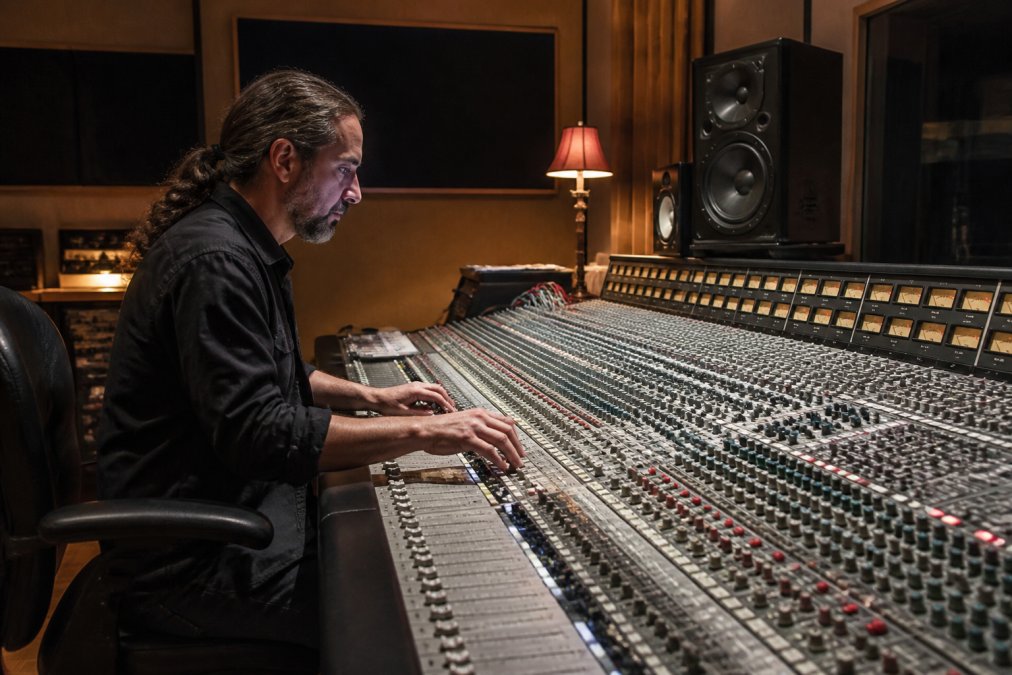
LB-Mastering Studios finishes film audio in a dedicated analog environment, led by a Latin GRAMMY Award-winning and 11x Billboard-charting engineer with over 44 years of experience. The studio offers stem mastering, album mastering, vinyl mastering, and mixing, so a project can move from approved mix to every required deliverable. A free sample master lets you hear the approach on your own material before committing.
Frequently Asked Questions
Is mastering really necessary for film post-production?
Yes. Film post-production audio must meet strict loudness and dynamic range standards for theatrical and streaming delivery. Professional mastering ensures your mix translates correctly across cinema systems, home theaters, and mobile devices while meeting the delivery specs distributors require.
What are the industry standards for film audio distribution?
Film post-production audio standards define loudness and true peak ceilings to preserve headroom and prevent distortion when platforms apply their own loudness normalization during playback.
What is the difference between theatrical and streaming audio specifications?
Theatrical mixes allow a wider dynamic range because cinema systems are calibrated and consistent. Streaming platforms apply loudness normalization, so overly dynamic mixes may sound quiet on phones or laptops. A mastering engineer balances both targets so your film sounds consistent everywhere.
Can AI mastering replace a human engineer for film audio?
AI tools can handle basic loudness and EQ tasks at low cost, but they cannot interpret creative intent, dialogue clarity, or the emotional arc of a film. For worldwide distribution, a human engineer catches issues AI misses and makes judgment calls that protect your final release.
How do you ensure consistent audio quality across different playback devices?
Consistency comes from mastering with reference monitors in a treated room, checking the mix on multiple systems, and hitting platform-specific loudness targets. A professional engineer also verifies true peak levels and stereo image so the audio holds up on cinema, TV, and mobile playback.
Film audio that has to travel from a theater to a phone speaker needs more than a loud master. It needs a finishing stage built for each destination, with the loudness, peaks, and formats handled deliberately. LB-Mastering Studios brings analog mastering, stem and vinyl delivery, and decades of chart experience to that work, with a free sample master so you can hear the result first. Book a session with LB-Mastering Studios and get professional-grade audio quality for worldwide distribution.