
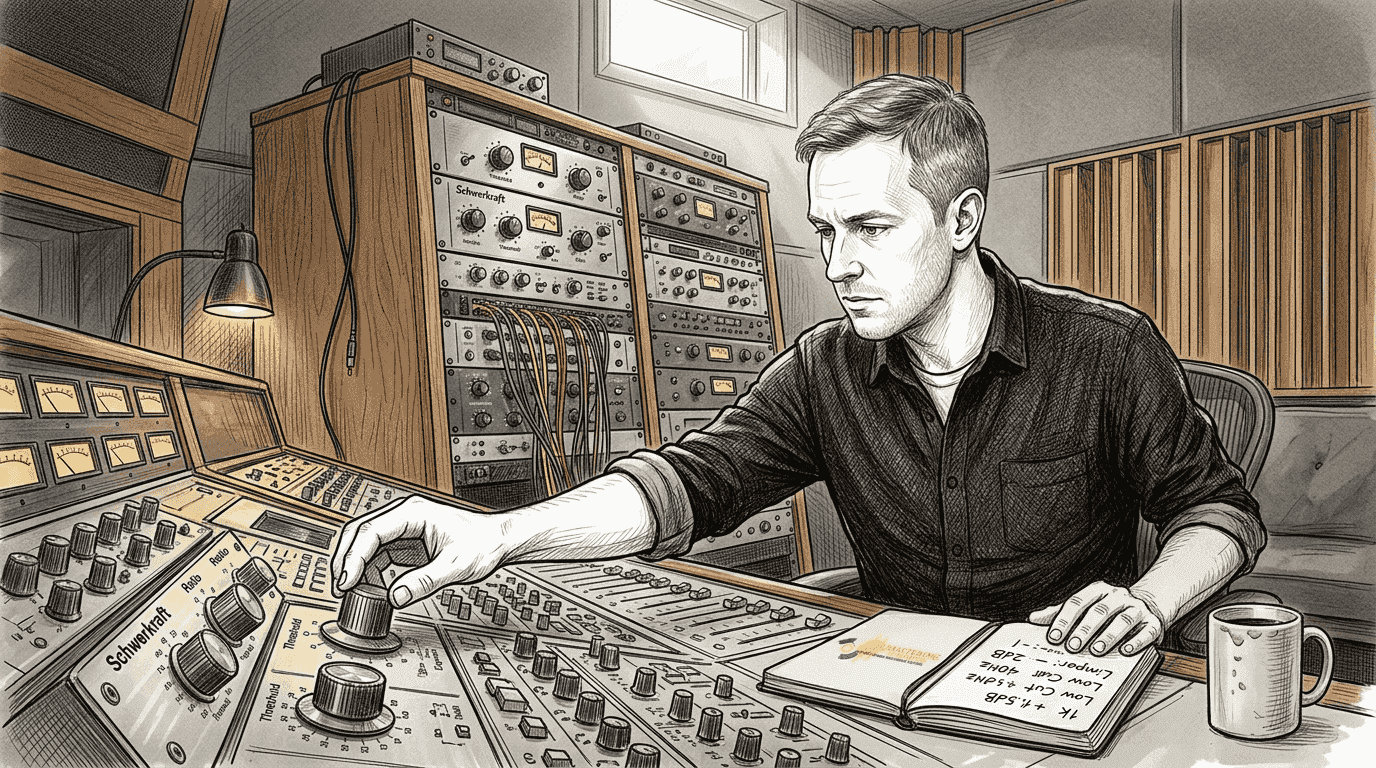
Selecting the right mastering equipment can feel overwhelming for independent musicians and producers. With countless options promising superior sound, how do you choose tools that genuinely elevate your recordings? The difference between amateur and professional results often comes down to understanding what each piece of gear contributes to your sonic signature. This article breaks down practical criteria for evaluating mastering equipment, showcases proven analog and digital examples used in professional studios, and provides actionable recommendations to help you build a mastering chain that delivers competitive, polished audio in 2026.
Table of Contents
- Criteria For Choosing Mastering Equipment
- Top Analog Mastering Equipment Examples In 2026
- Leading Digital Mastering Software Tools And Plugins
- Comparison Of Mastering Equipment And Recommended Setups
- Explore Professional Mastering Equipment At LB-Mastering
Key takeaways
| Point | Details |
|---|---|
| Equipment selection criteria | Choose mastering gear based on sonic goals, budget, and signal integrity requirements for your specific audio projects. |
| Analog warmth and character | Transformers and tubes in gear like Schwerkraftmaschine add harmonic richness that enhances perceived clarity and tonal density. |
| Digital flexibility | T-RackS 6 Pro offers 41+ modular processors for EQ, compression, and limiting with seamless DAW integration. |
| Gain staging essentials | Proper level management prevents clipping and allows processors to shape audio musically rather than destructively. |
| Reference track importance | Commercial references guide mastering decisions to achieve genre-appropriate tonal balance and competitive loudness. |
Criteria for choosing mastering equipment
Before investing in any mastering gear, you need a clear framework to evaluate what actually serves your music. Start by identifying your sonic goals. Are you chasing transparent precision, vintage warmth, or aggressive modern loudness? Mastering engineers use specific tools to achieve tonal balance, dynamic control, and stereo imaging tailored to genre expectations. Your equipment choices should align with these objectives rather than simply collecting popular brand names.
Consider the gear type that fits your workflow and budget. Analog hardware delivers tactile control and harmonic coloration but requires significant investment and physical space. Digital plugins offer flexibility, recall, and affordability while sacrificing some of the sonic character that transformers and tubes provide. Many professional setups combine both approaches, routing through hybrid analog and digital chains to capture the best of each domain. Evaluate scalability too. Can you expand your setup gradually, or does the gear lock you into a fixed configuration?
Prioritize signal integrity throughout your chain. Gain staging capability matters more than flashy features. Every processor in your mastering path should receive healthy levels that avoid clipping while maintaining headroom for downstream processing. Plan for A/B referencing against commercial tracks during mastering sessions. This practice keeps your decisions grounded in real-world competitive standards rather than isolated listening that can drift into over-processing.
Pro Tip: Test any mastering gear with your actual mixes before committing to purchase. Many manufacturers and retailers offer trial periods or demo units that reveal whether the sonic character genuinely improves your specific material.
Essential evaluation checklist:
- Define primary sonic goal: warmth, clarity, punch, or stereo width
- Set realistic budget including cables, power conditioning, and monitoring
- Assess physical space for hardware or CPU capacity for plugins
- Verify compatibility with your existing DAW and audio interface
- Research user reviews from engineers working in your genre
Top analog mastering equipment examples in 2026
Analog mastering gear shapes audio through physical circuits that impart distinctive sonic fingerprints. The Schwerkraftmaschine uses three transformers and four triode tubes per channel to add harmonic overtones and improve the perception of individual sounds within a mix. This German-engineered unit excels at adding pleasing density to thin digital recordings, making elements feel more cohesive without obscuring detail. Independent artists working in genres like indie rock, folk, or electronic music often find this character bridges the gap between home studio productions and commercially released tracks.
The SPL DMC All Black mastering console utilizes 120V technology for exceptional dynamic range and pristine audio quality. Unlike typical consoles, this unit focuses exclusively on mastering tasks: precise level control, transparent summing, and high-headroom signal routing. Its stepped attenuators provide repeatable gain adjustments critical for recall in hybrid workflows. The DMC All Black integrates seamlessly with the SPL Hermes router and MC16 controller, creating a comprehensive mastering environment suitable for both stereo and immersive audio applications. This investment makes sense for engineers building dedicated analog mastering chains with room to grow.
For stereo compression with vintage character, the SPL Iron V2 tube mastering compressor delivers warm glue that holds mixes together without squashing transients. Its tube-based gain reduction circuit responds musically to program material, adding subtle harmonic enhancement while controlling dynamics. This compressor particularly shines on acoustic recordings, jazz, and classical material where maintaining natural breathing and micro-dynamics matters more than achieving maximum loudness. The Iron V2 proves that analog compression can enhance perceived loudness and cohesion without the pumping artifacts common in aggressive digital limiting.
Pro Tip: When budgeting for analog mastering gear, allocate 20% of your total investment for high-quality cables and power conditioning. Clean power delivery and proper impedance matching unlock the full sonic potential of premium analog circuits.
Analog gear sonic contributions:
- Harmonic richness from transformers and tubes enhances perceived warmth
- High-voltage circuits provide extended headroom for clean transient handling
- Physical controls offer tactile workflow and instant recall via marked settings
- Unique circuit topologies create signature tonal colors unavailable in digital emulations
Leading digital mastering software tools and plugins
Digital mastering tools have evolved to offer professional-grade processing with unprecedented flexibility and affordability. T-RackS 6 Pro offers over 40 included effects, expandable up to 60 modules, covering every mastering task from surgical EQ to final limiting. This modular approach lets you build custom signal chains matching your sonic vision without purchasing separate plugins for each function. The suite integrates seamlessly with all major DAWs, supporting both serial and parallel processing chains that mirror high-end analog console workflows.
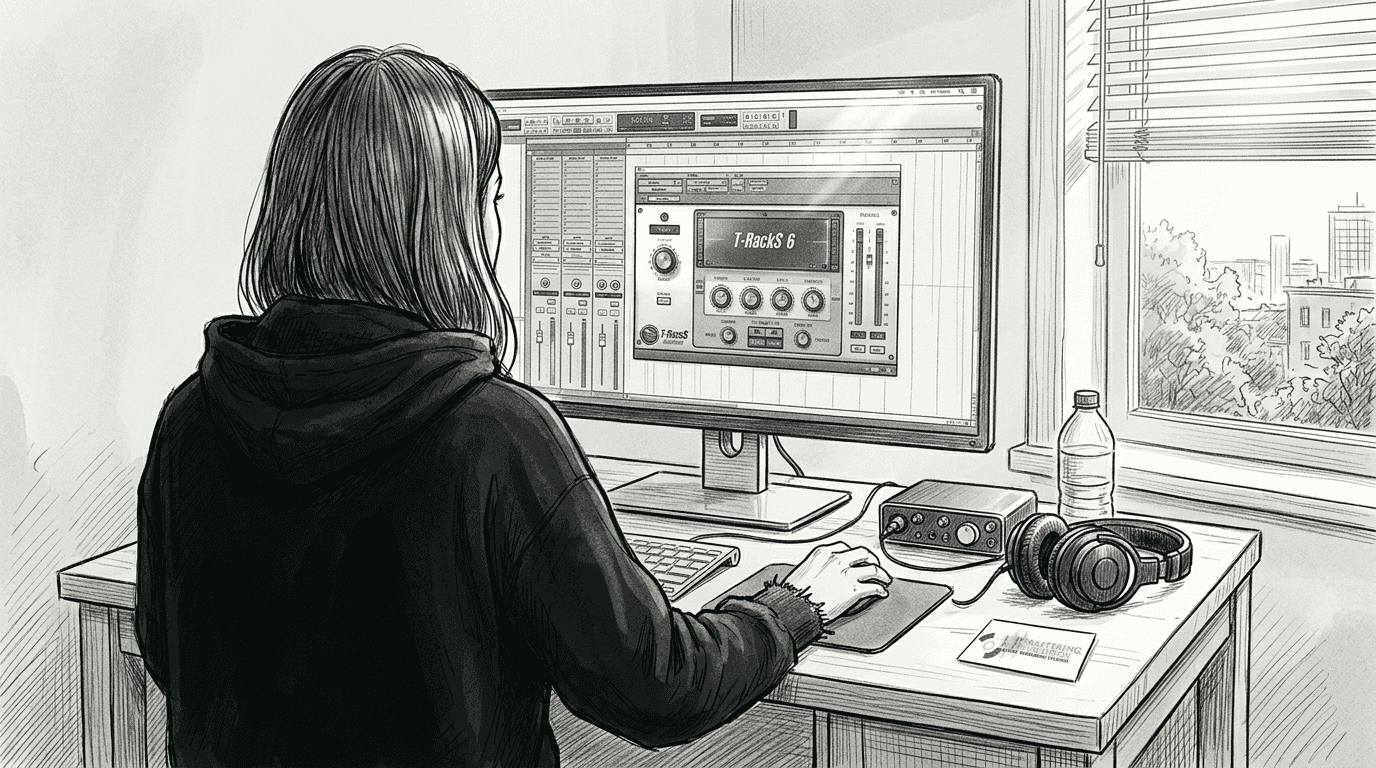
The standout feature in T-RackS 6 is the modular installation system that prevents DAW clutter. You install only the processors you actually use, keeping your plugin menus organized and session load times fast. New modules like Master Match X assist genre-specific mastering by analyzing reference tracks and suggesting processing chains to achieve similar tonal balance. This AI-assisted approach helps less experienced engineers make informed decisions while learning what professional mastering actually sounds like. The Mastering Console provides analog-quality sound in a digital format, offering comprehensive metering and routing that rivals dedicated hardware controllers.
T-RackS 6 Pro includes professional preset packs from top producers and mastering engineers, providing starting points for various genres and loudness targets. These presets teach by example, showing how professionals combine EQ curves, compression ratios, and limiting thresholds to achieve competitive results. Independent musicians can study these chains, tweak parameters to fit their material, and gradually develop their own mastering aesthetic. The software updates regularly with new modules and features, ensuring your investment remains current as mastering standards evolve. For artists building modern hybrid workflows, T-RackS 6 Pro bridges the gap between in-the-box convenience and outboard sonic quality.
Digital mastering advantages:
- Total recall of all settings across unlimited sessions
- A/B comparison between processing chains with instant switching
- Parallel processing for New York-style compression and harmonic enhancement
- Affordable access to emulations of vintage hardware costing thousands
- Regular updates adding new processors and fixing compatibility issues
- Low latency monitoring during real-time processing adjustments
Comparison of mastering equipment and recommended setups
Understanding how different mastering tools stack up helps you make informed purchasing decisions aligned with your actual needs and constraints. This comparison highlights the equipment discussed, focusing on practical considerations that impact your daily workflow and sonic results.
| Equipment | Sonic Character | Flexibility | Price Range | Ideal Users | Key Features |
|---|---|---|---|---|---|
| Schwerkraftmaschine | Warm, harmonically rich, adds pleasing density | Fixed analog circuit, limited to its signature sound | $4,000+ | Engineers seeking vintage analog color for digital recordings | Three transformers, four triode tubes per channel, unique harmonic overtones |
| SPL DMC All Black | Transparent, pristine, ultra-clean signal path | High, integrates with SPL Hermes and MC16 for expanded routing | $8,000+ | Professional mastering studios requiring precise level control | 120V technology, stepped attenuators, immersive audio ready |
| SPL Iron V2 | Musical tube warmth, gentle compression character | Moderate, stereo compressor with variable controls | $3,500+ | Engineers mastering acoustic, jazz, classical genres | Tube-based gain reduction, maintains natural dynamics, minimal pumping |
| T-RackS 6 Pro | Variable, from transparent to colored via module selection | Extremely high, modular system with 40+ processors | $300-500 | Independent artists, project studios, hybrid workflows | DAW integration, Master Match X, professional presets, regular updates |
For beginners building their first mastering setup, start with T-RackS 6 Pro or similar comprehensive plugin suites. Master the fundamentals of EQ, compression, and limiting in the digital domain where mistakes cost nothing and experimentation teaches quickly. Invest in quality monitoring and acoustic treatment before adding hardware. Your room and speakers impact your decisions far more than whether you own boutique analog gear.
Intermediate engineers ready to expand should consider adding one signature analog piece that addresses a specific sonic need. If your mixes lack warmth and cohesion, a tube compressor like the SPL Iron V2 provides character that plugins struggle to replicate. If you need precise level control and plan to grow into immersive audio, the SPL DMC All Black offers a professional foundation. Combine this single analog piece with your existing digital tools, routing strategically to capture the best of both worlds.
Professional setups benefit from purpose-built chains matching specific genres and client expectations. A mastering engineer specializing in electronic music might prioritize transparent digital processing with surgical EQ and brick-wall limiting. A classical specialist needs gentle analog compression and extended dynamic range. The equipment at LB-Mastering demonstrates this principle: carefully selected analog and digital tools working together to serve diverse musical styles with appropriate sonic signatures.
Pro Tip: When combining analog and digital gear, maintain consistent monitoring levels and use null testing to verify that your analog inserts genuinely improve the sound rather than just making it different or louder. Louder almost always sounds better initially but may not serve the final master.
Explore professional mastering equipment at LB-Mastering
Now that you understand the criteria, options, and comparisons for mastering equipment, the next step is experiencing how professional gear shapes your music. LB-Mastering Studios maintains an extensive collection of analog and digital mastering equipment carefully selected over 44 years of industry experience. Our hybrid signal chain combines vintage transformers, tubes, and modern digital precision to deliver warmth, clarity, and competitive loudness across all music genres.
Whether you're an independent artist preparing your first release or an established producer seeking Grammy-level finishing, our equipment and expertise elevate your recordings to professional standards. Download our free mastering checklist to prepare your tracks properly before mastering. We offer flexible online studio services regardless of your location, with direct communication throughout the process. Experience how the right mastering equipment, guided by expert ears, transforms good mixes into exceptional releases that compete in today's demanding music marketplace.
FAQ
What is the role of transformers and triode tubes in analog mastering gear?
Transformers and triode tubes add pleasant harmonic overtones that enhance perceived clarity and warmth in audio signals. The Schwerkraftmaschine uses three transformers and four triode tubes per channel to create these sonic characteristics, making individual sounds more distinct within a dense mix. This analog coloration often makes digital recordings feel more cohesive and musical without requiring heavy processing.
How does gain staging affect mastering quality?
Proper gain staging is crucial in mastering to ensure each processor receives a healthy, predictable signal. When levels are too low, you add noise and lose resolution. When too hot, you introduce clipping and distortion that degrades transparency. Correct gain staging allows compressors, EQs, and limiters to behave musically, shaping your audio with precision rather than fighting technical problems. Learn more about level management in our optimal loudness mastering guide.
Why are reference tracks important in mastering?
Reference tracks are essential for comparing the sound of your master to commercially released tracks in the same genre. They help maintain genre fidelity and competitive loudness while guiding decisions about tonal balance and dynamic qualities. Without references, your perception drifts during long mastering sessions, often leading to over-processing or tonal imbalances that become obvious only after taking a break. Professional engineers constantly A/B their work against multiple commercial references to stay calibrated. Explore more mastering techniques on our tips blog.
Can digital plugins truly match analog mastering hardware?
Digital plugins have advanced significantly and can achieve professional results, especially for transparent processing tasks like surgical EQ and precise limiting. However, analog hardware still offers unique harmonic characteristics from transformers, tubes, and circuit topologies that plugins approximate but don't perfectly replicate. The practical answer depends on your sonic goals, budget, and workflow preferences. Many top engineers use hybrid approaches, combining digital flexibility with select analog pieces for character and workflow benefits.
What budget should independent musicians allocate for mastering equipment?
Independent musicians should prioritize room treatment and quality monitoring before investing heavily in mastering gear. A realistic starting budget of $500 to $1,000 covers professional plugin suites like T-RackS 6 Pro plus essential acoustic panels and bass traps. As your skills and income grow, add one signature analog piece every 12 to 18 months, focusing on tools that address specific sonic weaknesses in your productions. Remember that professional mastering services often deliver better results than amateur use of expensive gear, so balance equipment purchases with outsourcing critical releases.
Recommended
- Mastering Equipment | Analog & Digital | LB-Mastering
- How to achieve optimal loudness in mastering for 2026
- Studio Tour | Analog Mastering Facility | LB-Mastering
- Mastering Tips & Industry Blog | LB-Mastering Studios
- 8 Βέλτιστες πρακτικές ηχοσυστήματων για το 2025 - ΞΥΔΑΣ ΕΥΡΑΓΟΡΑ - Οι καλύτεροι στην αγορά. Μεγάλες προσφορές στις Ηλεκτρικές Συσκευές